
About Course
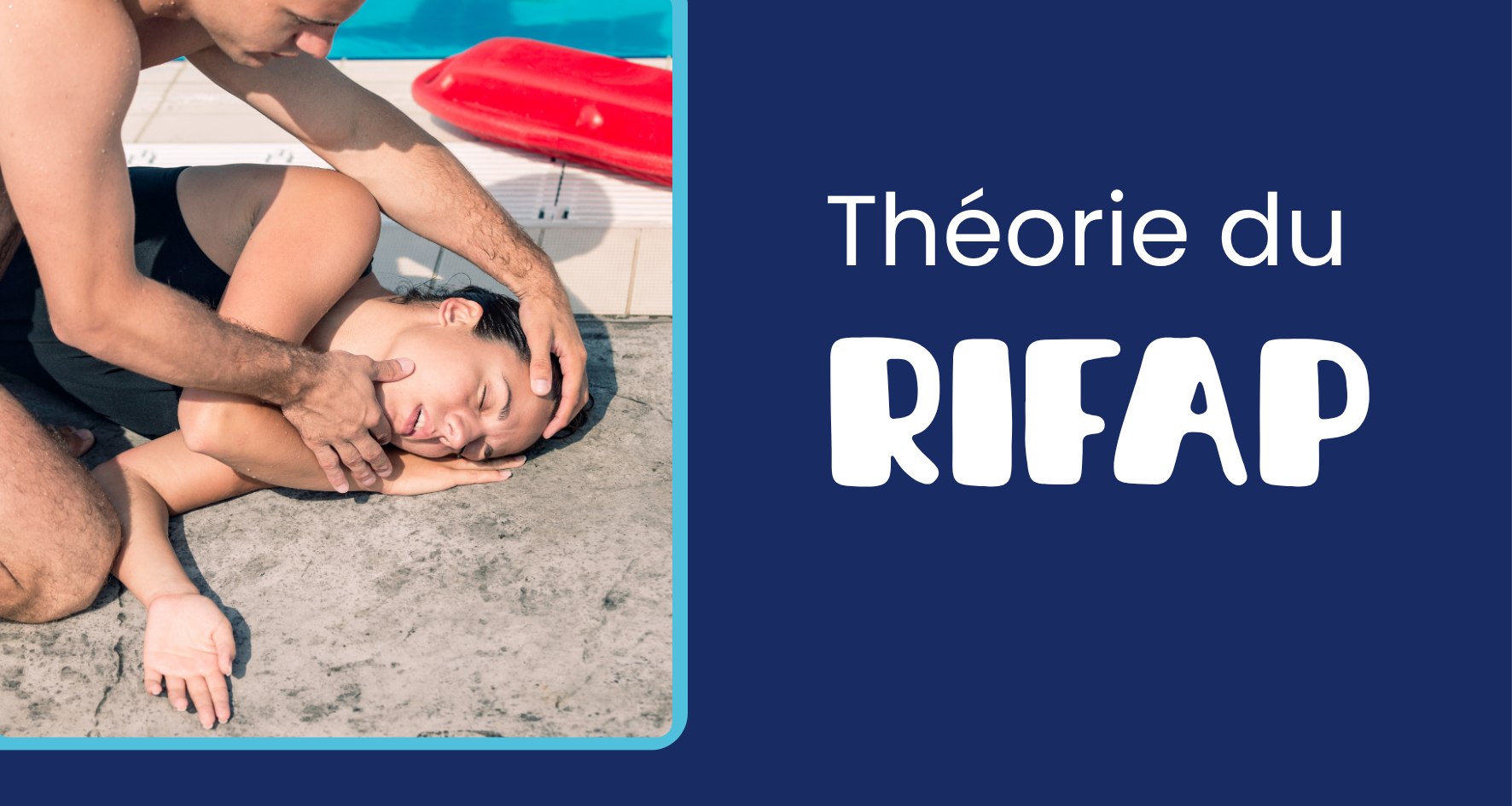
Know how to react if a diver has a problem. This online course gives you the theory of RIFAP (diving accident response: Réactions et Intervention Face à un Accident de Plongée): recognising an accident, helping a buddy in the water, giving oxygen, carrying out life-saving actions and raising the alarm. Short explanations, diagrams and little games to help you remember the right reflexes. The practical part takes place at the club, with an instructor.
What you will learn
- What RIFAP is, what it is for, and everyone’s role when an accident happens.
- The emergency equipment on board and the emergency plan.
- Recognising diving accidents and assessing a victim.
- Assisting a buddy underwater, bringing them to the surface, towing them and getting them out of the water, without forgetting the rest of the dive group (palanquée).
- Giving oxygen: non-rebreather mask or bag valve mask.
- Life-saving skills: recovery position, cardiopulmonary resuscitation, defibrillator.
- Raising the alarm at sea and on land, and sharing out the roles.
Organisation
- 6 modules, 14 short illustrated lessons, a quiz of 8 questions at the end of each module.
- A 25-question theory exam in 30 minutes, 3 attempts, pass mark 80%.
- At your own pace, on a computer, tablet or phone.
Who is this course for?
- Any diver who wants to know how to react to an accident, from the age of 16.
- Divers preparing for Level 3 Diver or for instructor training, for which RIFAP is required.
- No prerequisites for the online theory. For the practical part at the club: minimum age 16 (parental permission under 18) and a medical certificate of fitness to dive.
This course covers the theory part. The RIFAP qualification is validated in practice, at the club, through scenarios with an instructor.
Course Content
Module 1 — RIFAP and the rescue chain
-
Lesson 1.1 — RIFAP: your role when it happens
-
Lesson 1.2 — On board: the DP, the emergency plan and the equipment
-
Module 1 quiz
Module 2 — Recognising an accident
Module 3 — In the water: assisting and bringing back
Module 4 — Oxygen
Module 5 — Life-saving skills
Module 6 — Raising the alarm and coordinating
Module 7 — RIFAP theory exam
Student Ratings & Reviews

No Review Yet